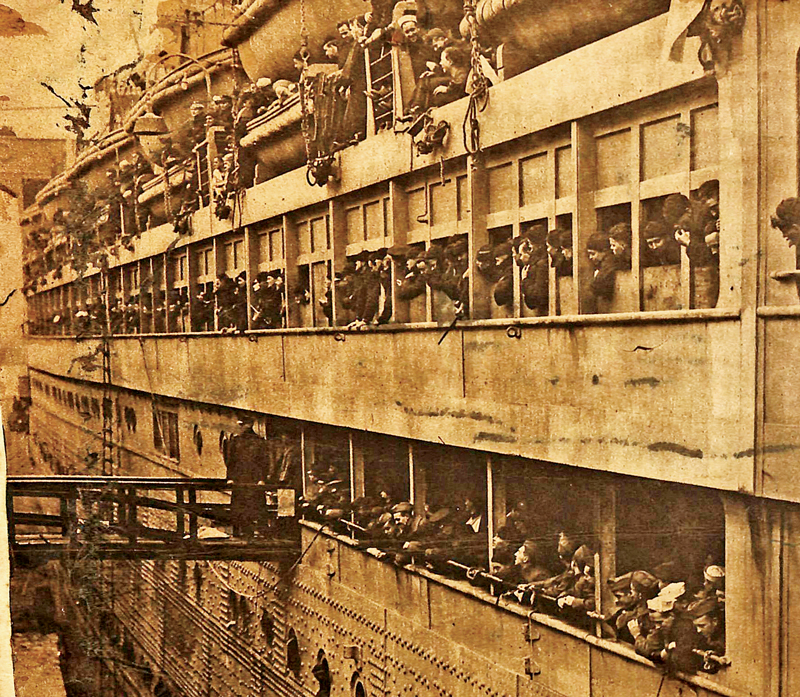
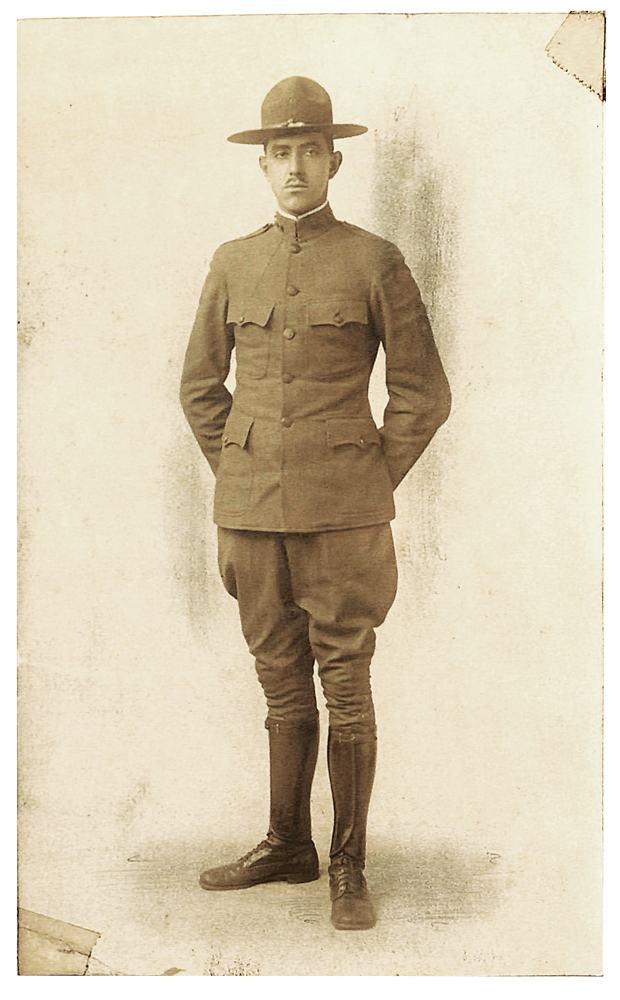
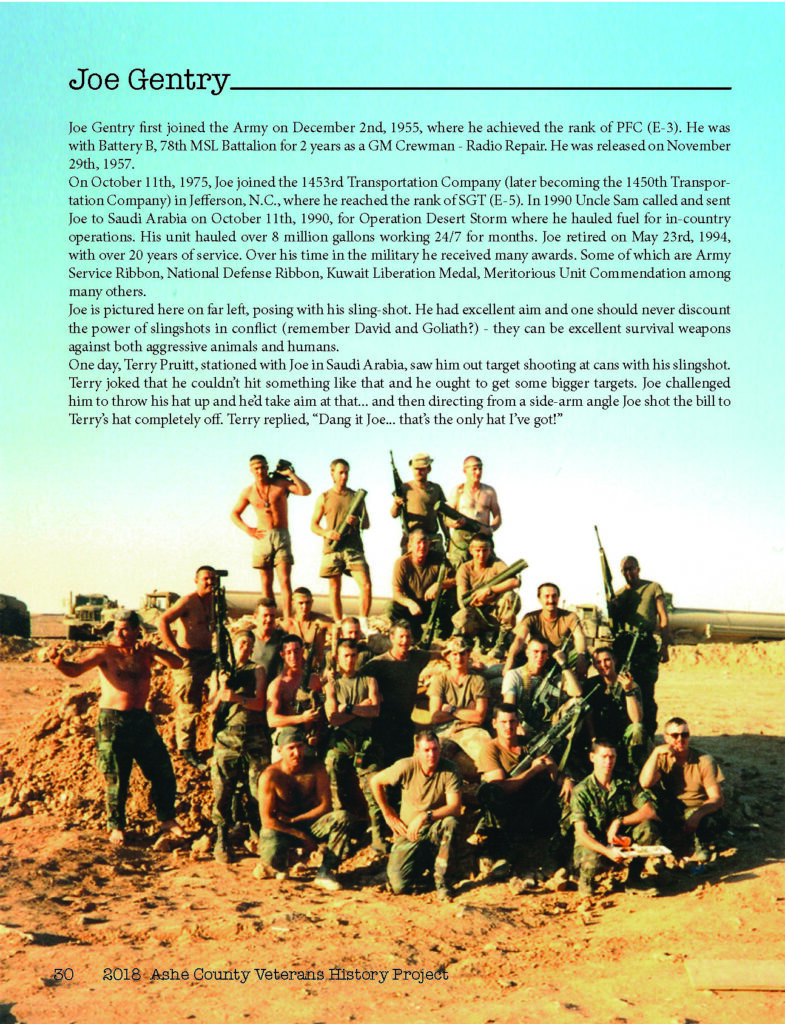
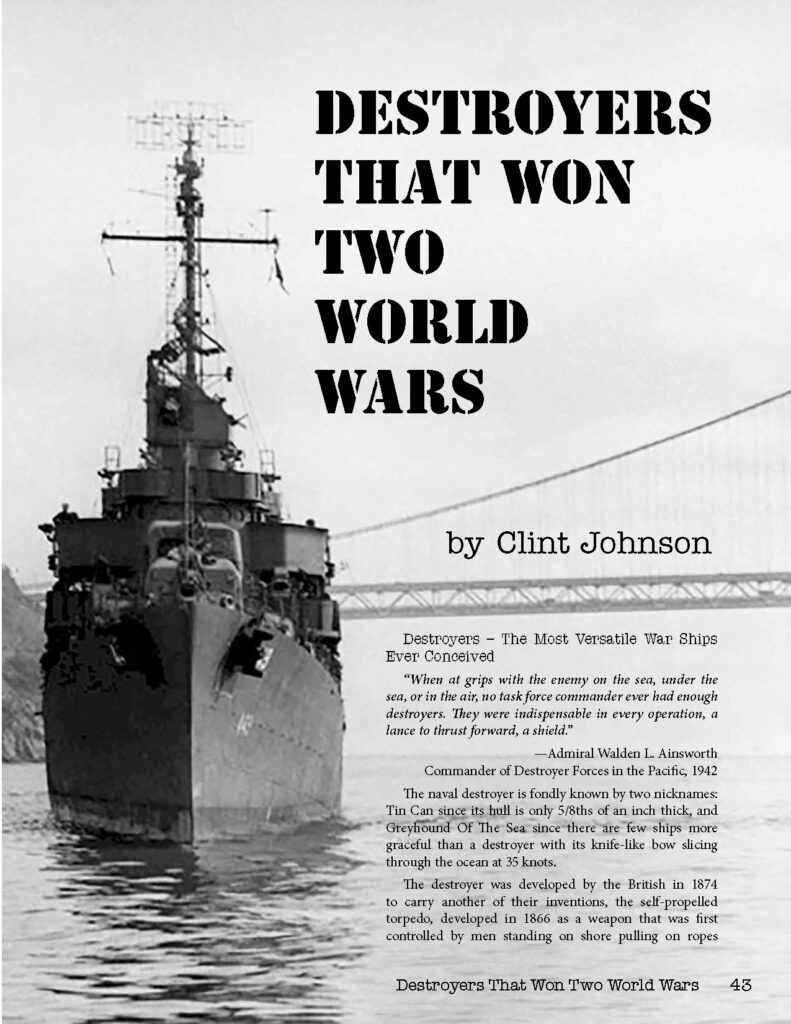
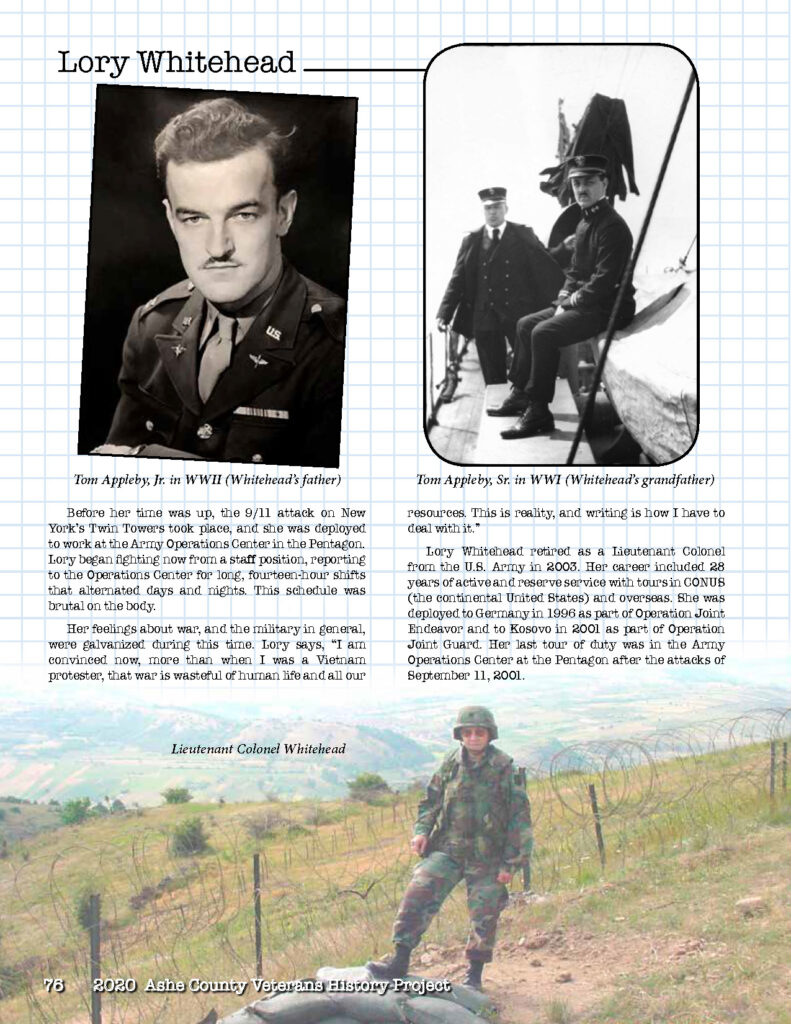
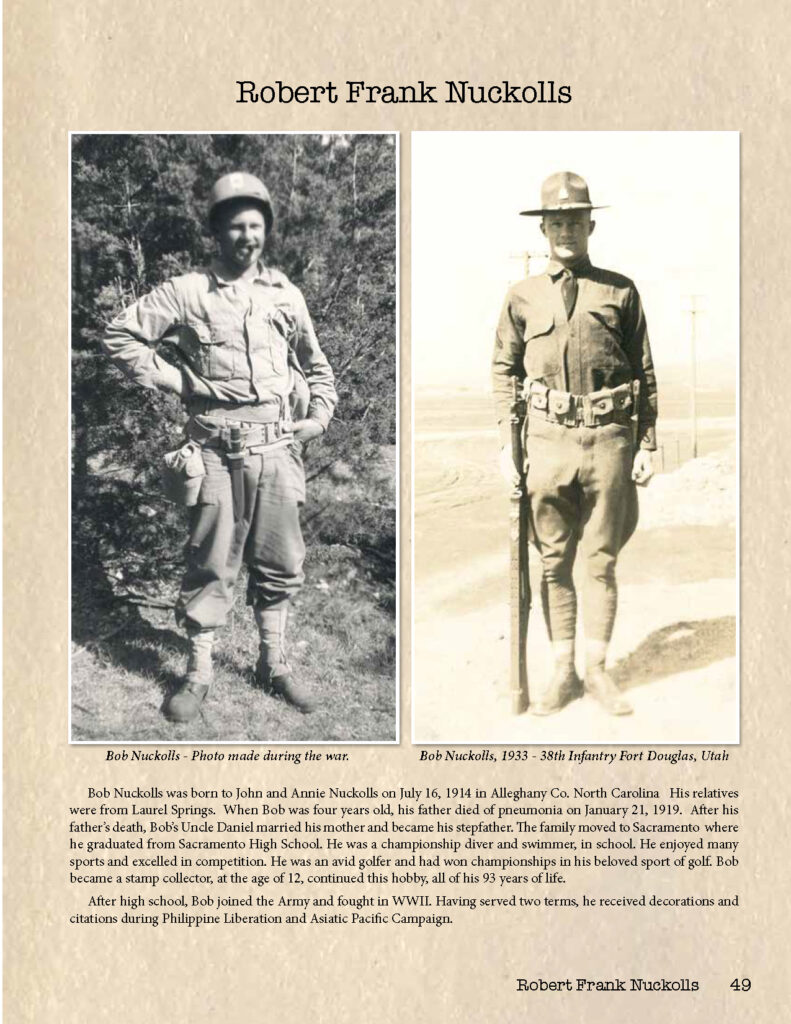
The latest in a series of books honoring veterans from Ashe County, North Carolina- the books feature veterans’ own accounts, family stories and photographs. Imaging Specialists in Sparta, NC is proud to have helped the Ashe County Public Library with their Ashe County Veterans Project. World War I Troops await transport in this photo from Robert Godbey in Volume II of the Ashe County Veterans History Book. Robert Godbey 1894-1980 See Mr. Godbey’s story at the Ashe County Library Veterans History Project. Find more about him and other volumes in his expansive account of his service at the Ramsey Library, UNC AshevilleFrom Volume I of the project book in 2018. Mr. Gentry is at the far left, posing with his sling shot in this great photo from Operation Desert Storm.We added this public domain image of the “Bow view of USS Nicholas (DD-449) underway off San Francisco on 15 January 1944,” to Clint Johnson’s article in Volume III. It is the ship depicted on the cover of his book, Tin Cans and Greyhounds: The Destroyers that Won Two World Wars from which the article is taken.Photos of Lieutenant Colonel Lory Whitehead, her father and grandfather from her story in Volume III.Two photos of WWII vet, Bob Nuckolls submitted by Sandra Church for this year’s edition.
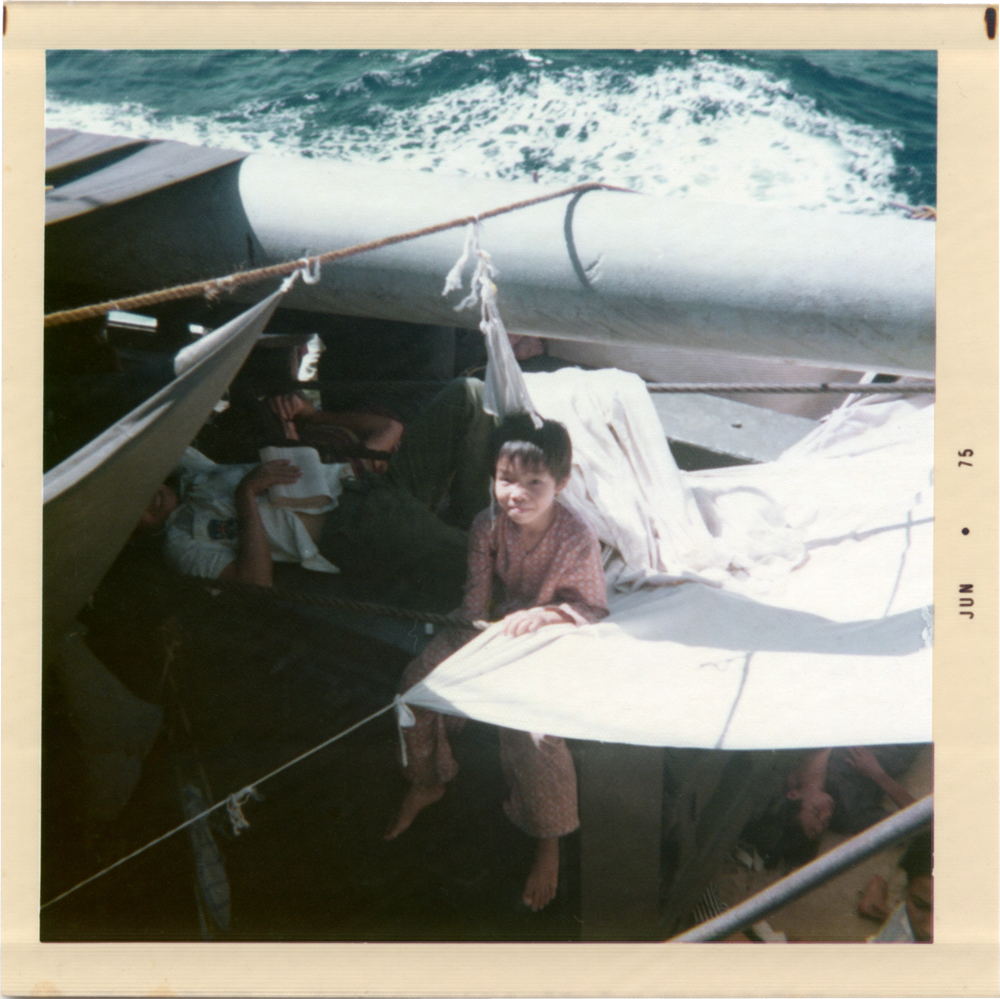
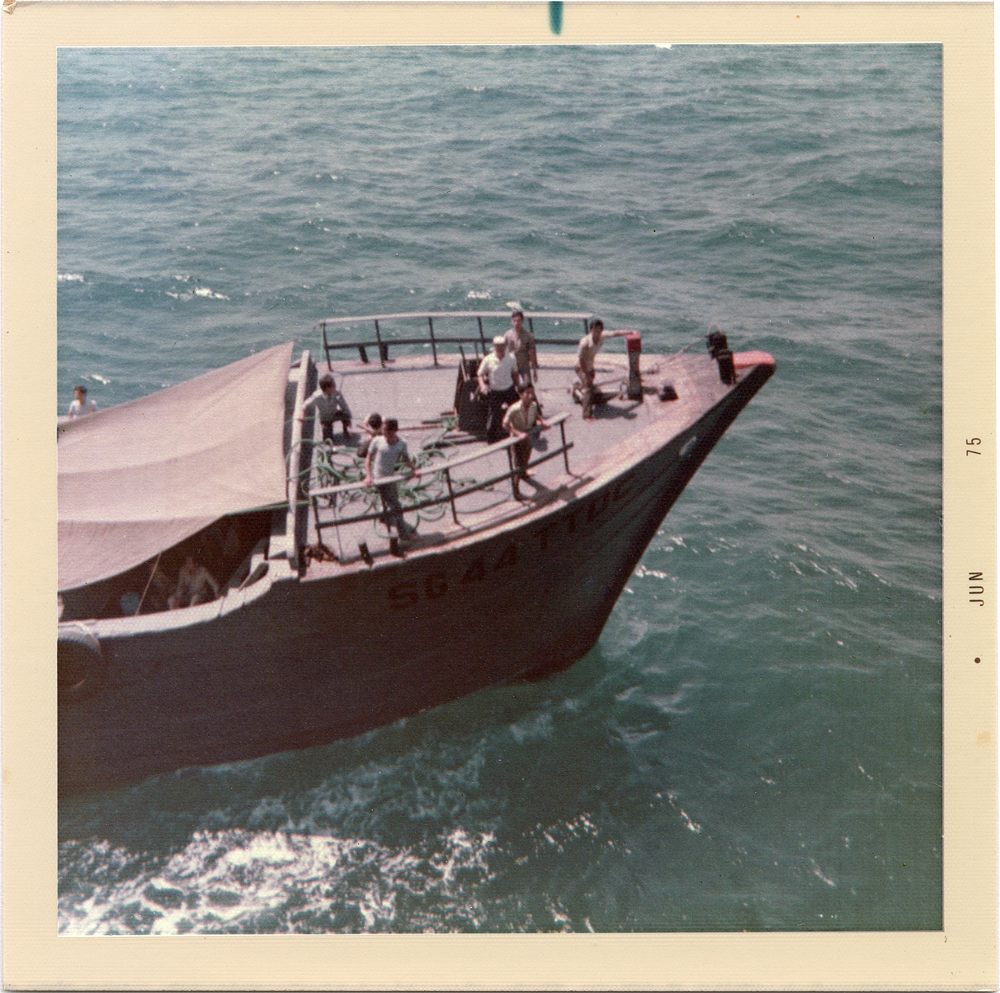
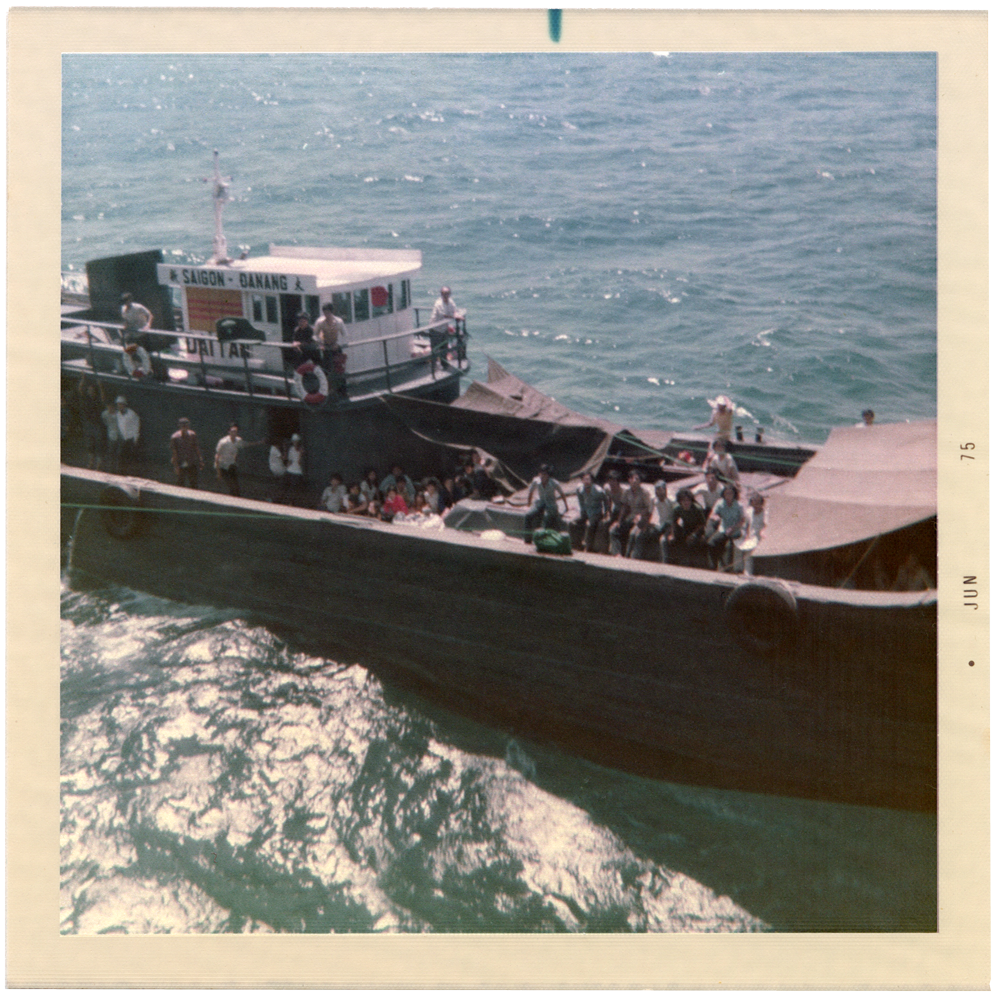
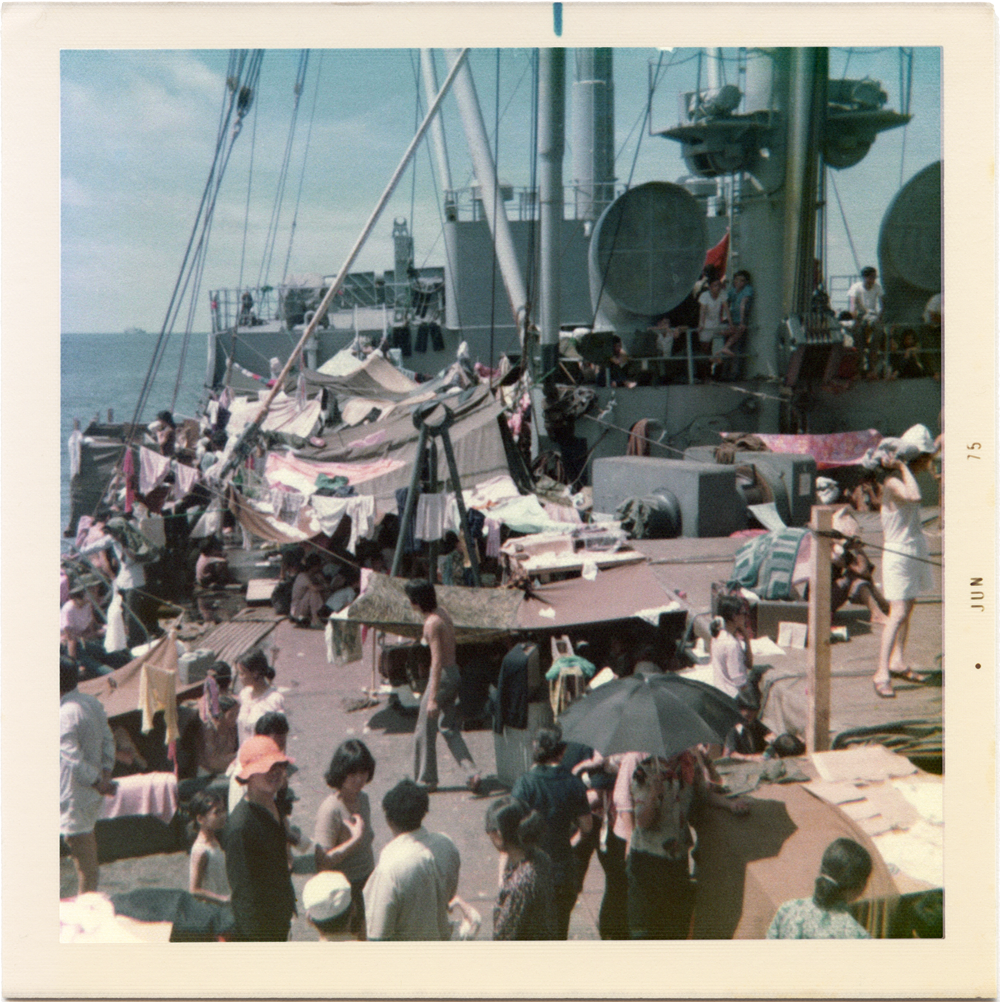
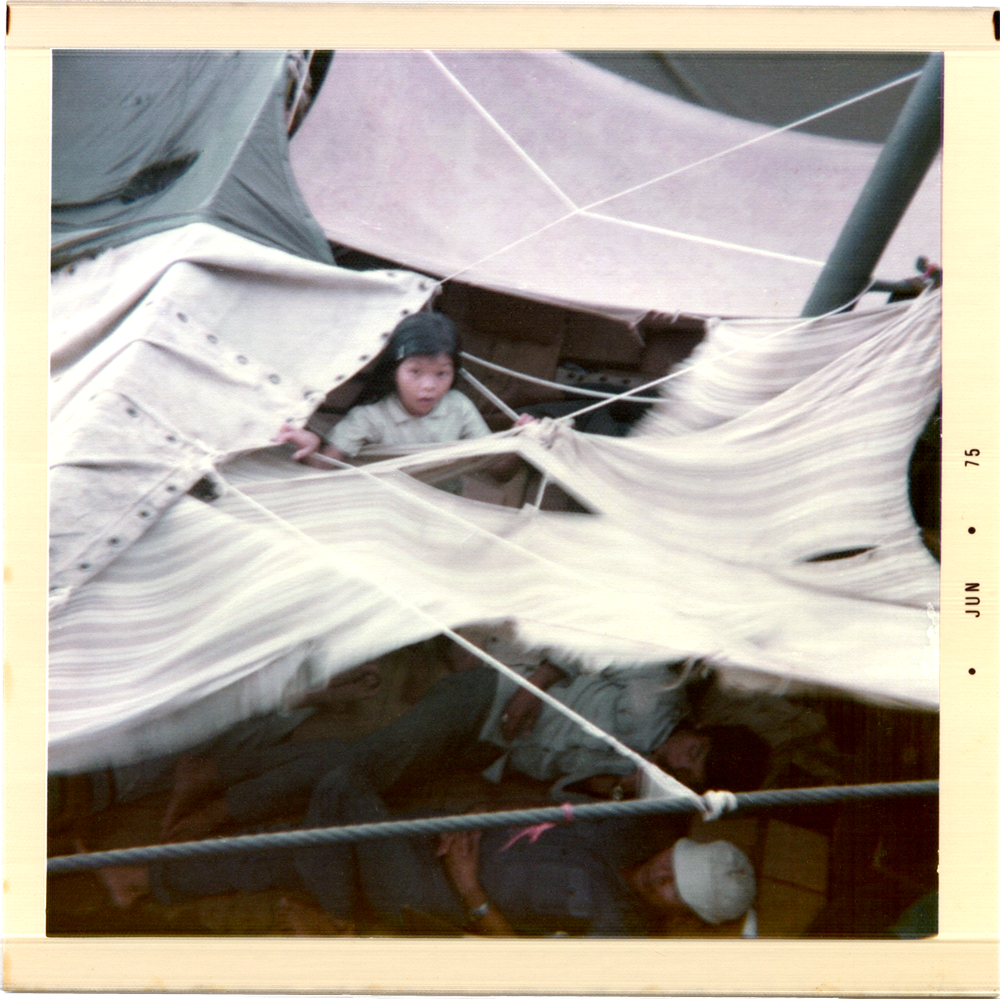
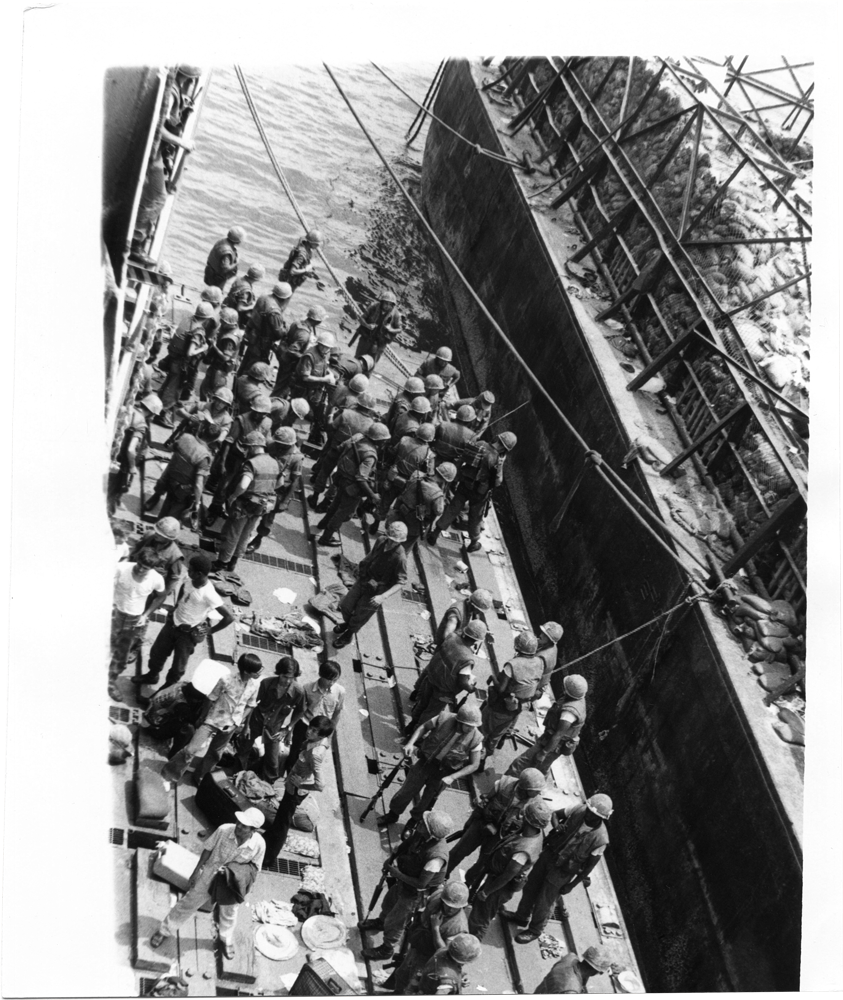
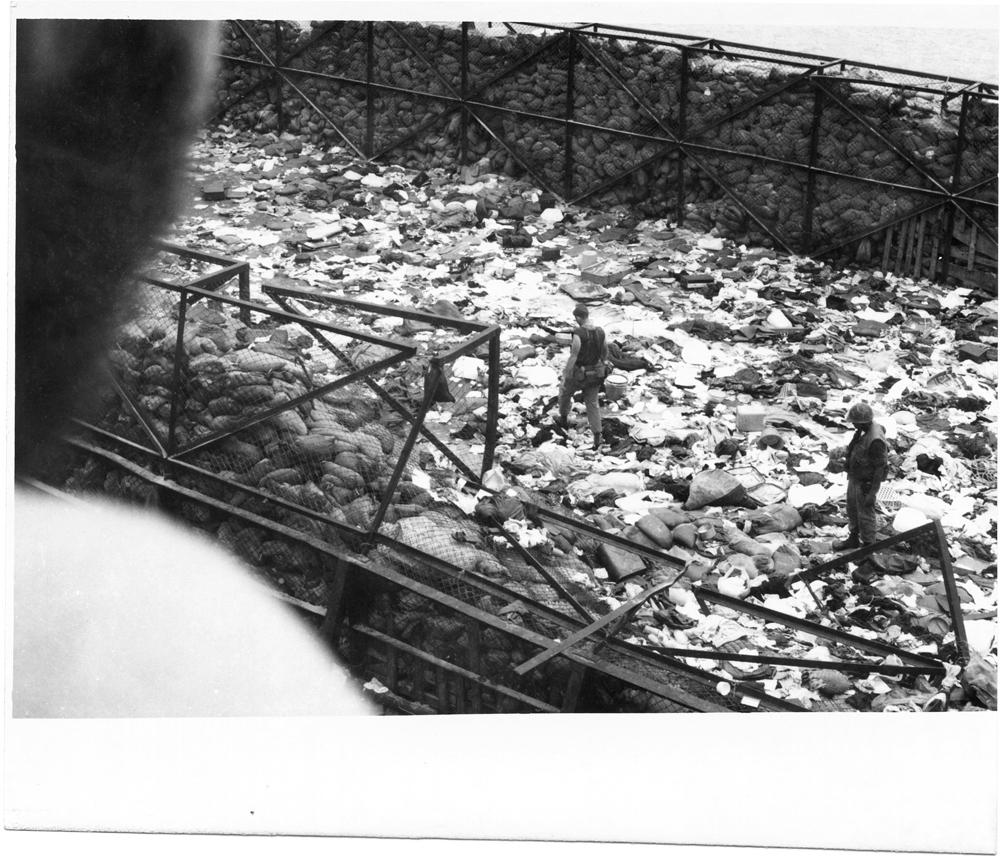
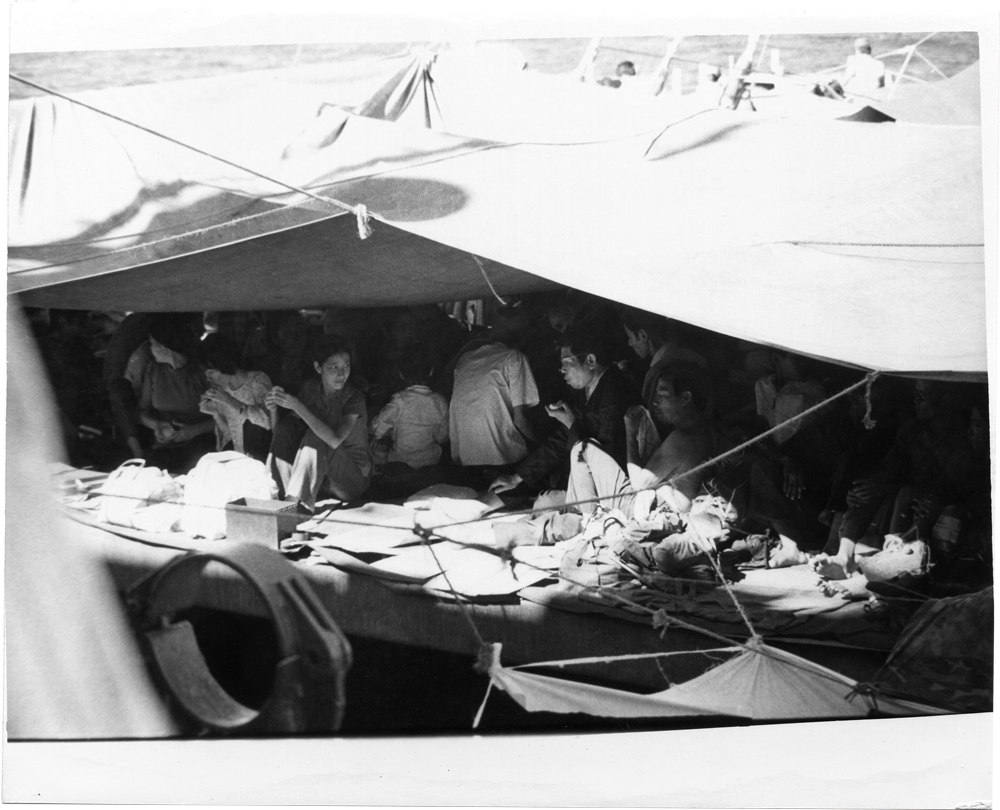
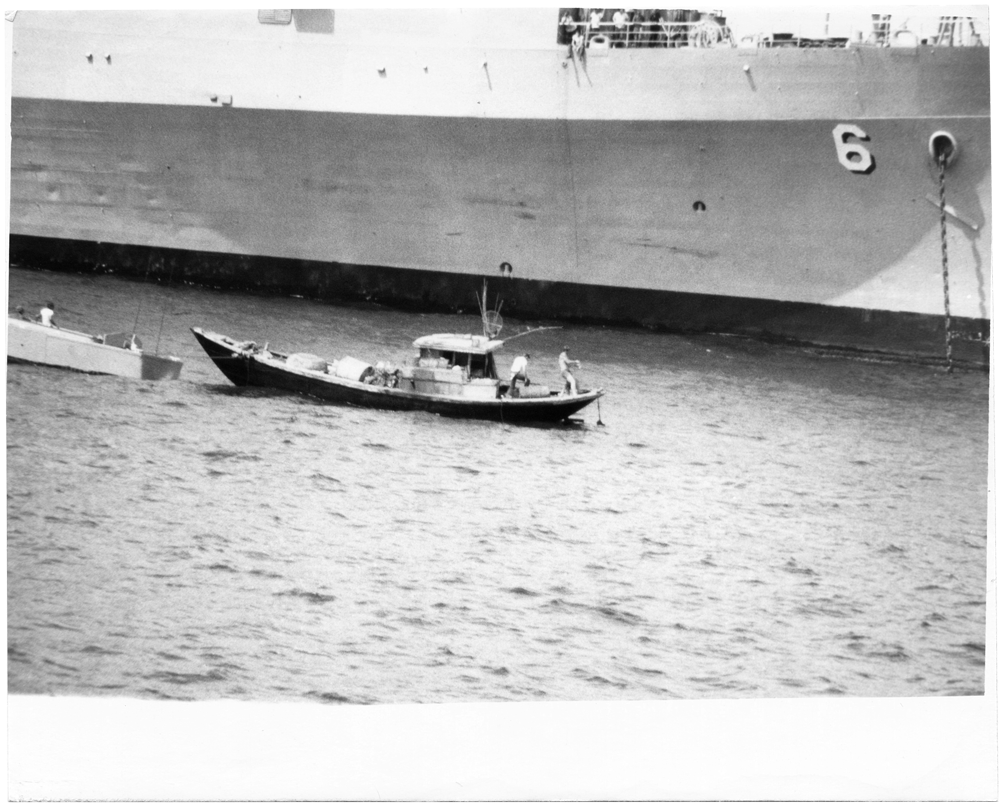
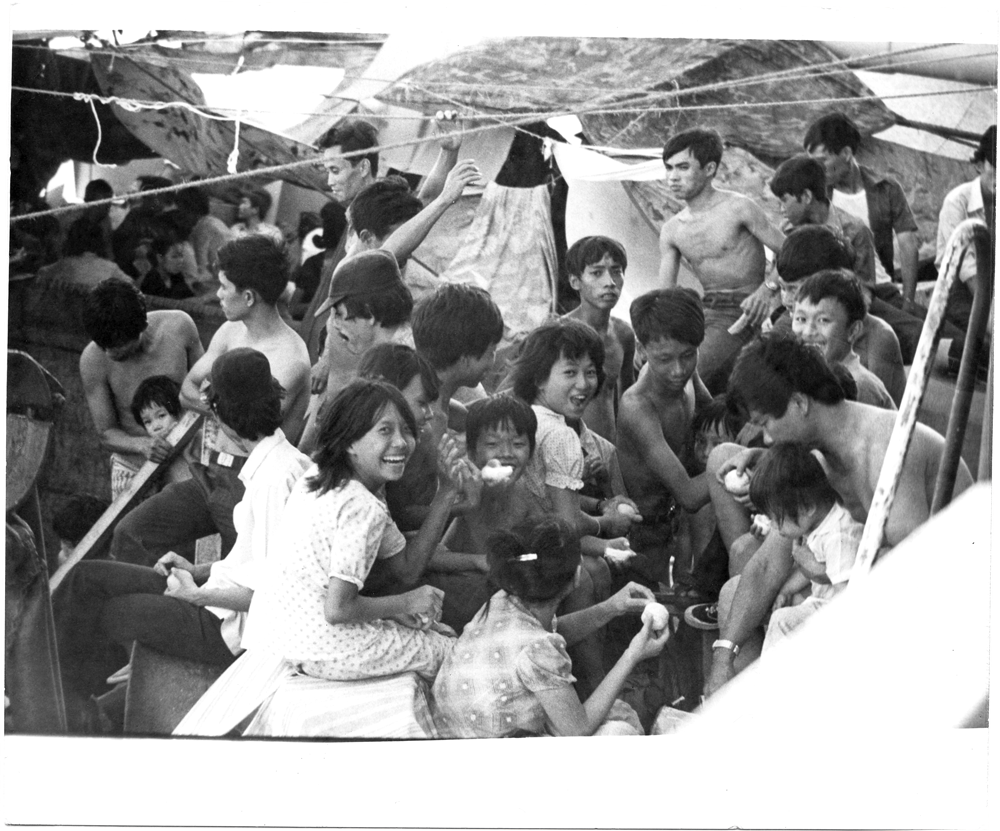
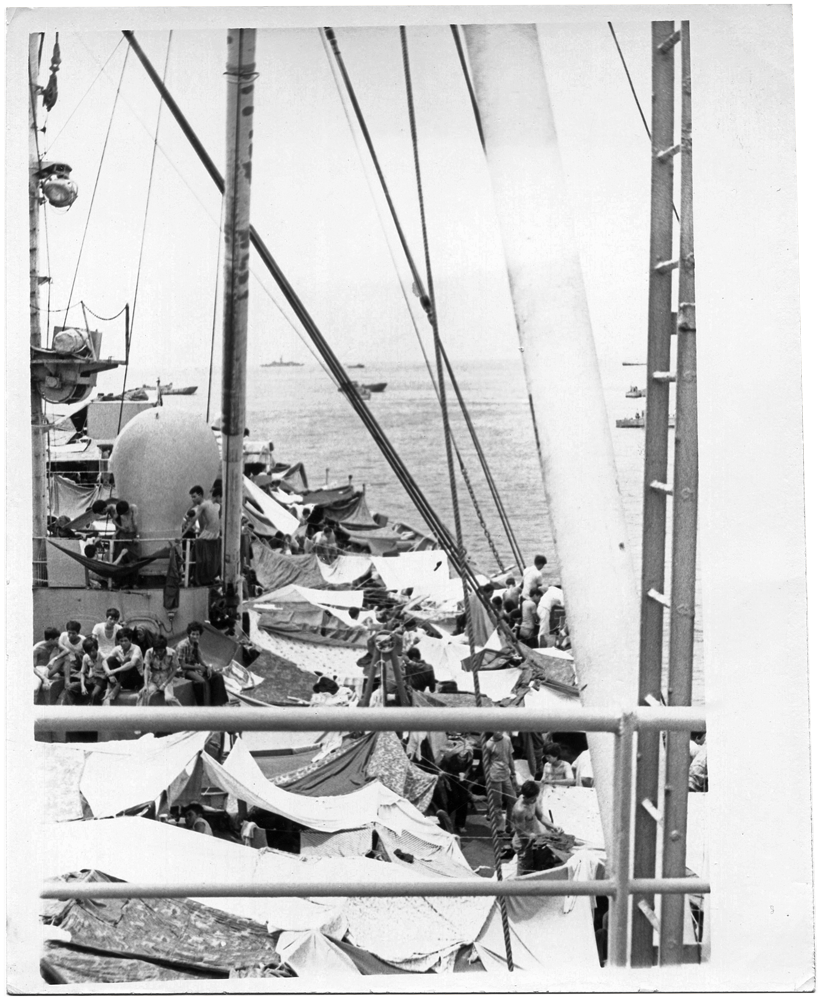
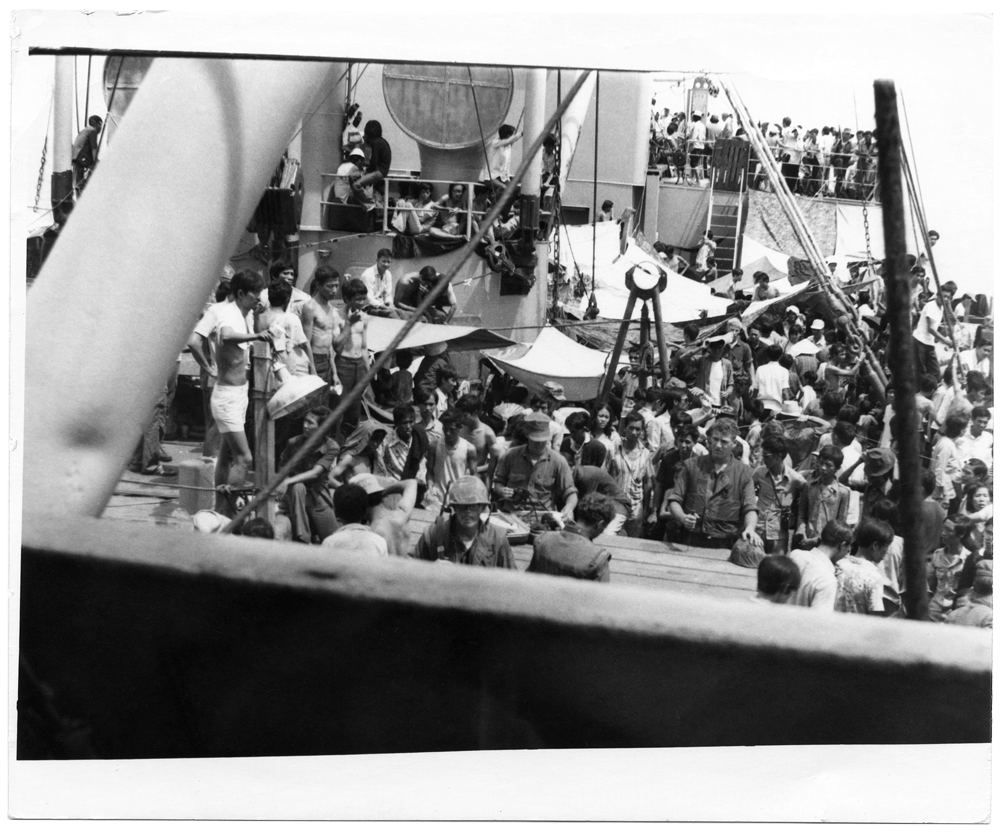
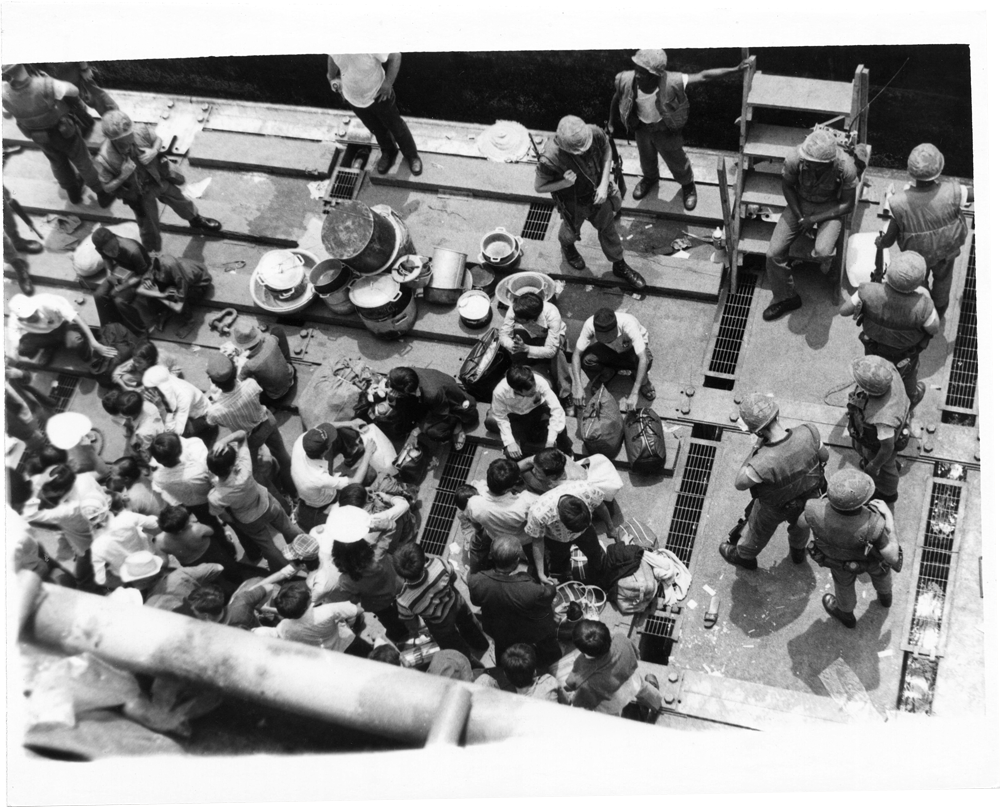
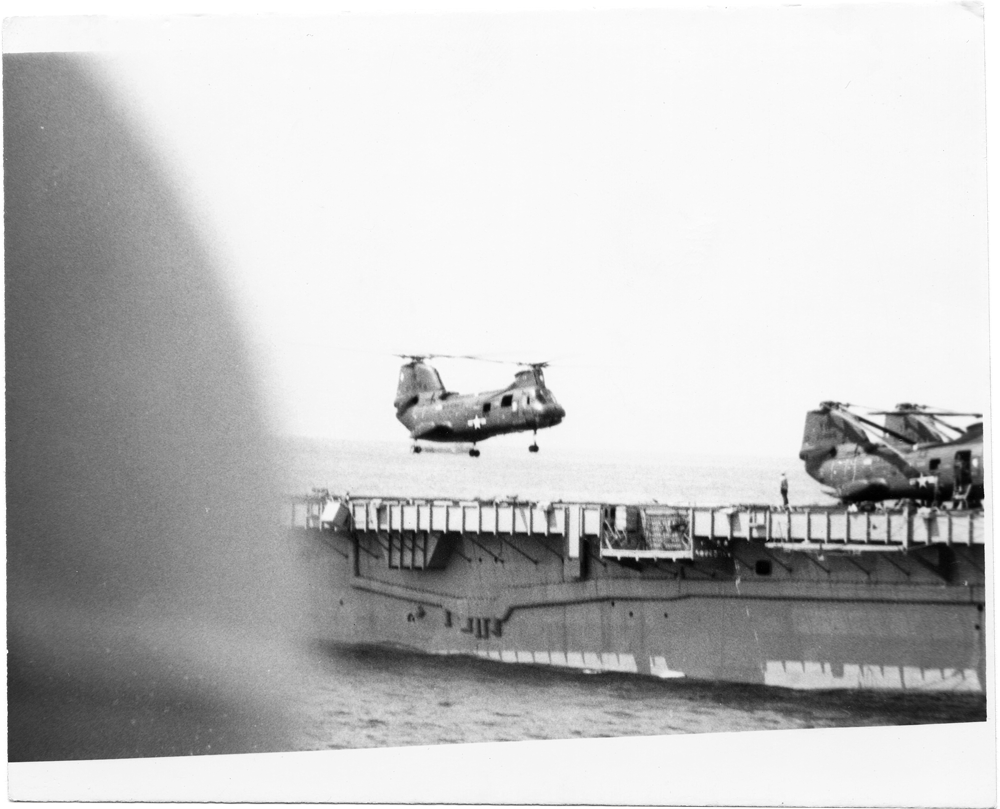
April 30, 1975- US Marines helped provide security for the evacuation of the last Americans in Vietnam and thousands of “at risk” Vietnamese during the Fall of Saigon. Operation Frequent Wind was a massive assembly of aircraft and ships that became the largest helicopter evacuation in history. These photos were made by Master Gunnery Sergeant John Irwin, USMC (RET) when he served aboard the USNS Sgt. Truman Kimbro (T-AK-254).
The barge, in the photos, was an “ocean-going barge with a large group of people. Another ship had removed over a thousand from this barge and, when they could take no more, it was towed to us. When she came into sight, we could not believe the number of people still aboard.” After unloading, the barge was sunk by naval gunfire from a destroyer.
The Saigon-Danang Ferry
Refugees aboard the Saigon-Danang Ferry
Refugees aboard the USNS Sgt. Truman Kimbro
US Marines on the causeway between the Barge and the USNS Kimbro.
The Barge after unloading.
Traditional, wooden Vietnamese working boat alongside the USS Duluth (LPD 6)
Throng of refugees aboard the USNS Sgt. Truman Kimbro (T-AK-254).
Vietnamese refugees and US Marines on the causeway between vessels.
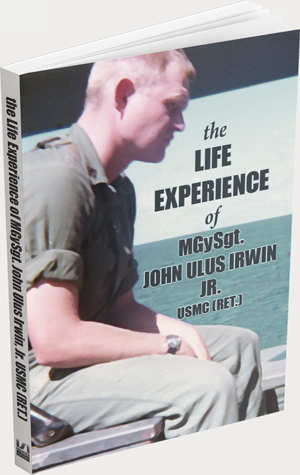
Imaging Specialists recently helped John publish his memoir, The Life Experience of MGySgt. John Ulus Irwin, Jr., USMC (Ret.) In the book, he recalls stories of his years of service in the United States Marine Corps. From the rescue of the Vietnamese refugees at the fall of Saigon, to becoming a Drill Instructor at Parris Island, posts on the Korean DMZ and in the Chilean Andes, then consulting with Kenyan Wildlife Service Rangers in Nairobi, John talks about the interesting people, exotic locations and unforgettable experiences he encountered during and after his career in the military.
On April 29th, the evacuation began in earnest. We sailed into the area where the evacuation ships were waiting, protected by destroyers. A Landing Ship Tank (LST) causeway was towed to us and lashed to our side as a loading platform. As the refugees were flown aboard the naval ships with landing platforms, they would be placed onboard boats for transfer to their evacuation ship.
The helicopters doing the evacuations would overfly the Kimbro in route and returning with their escorting Cobra gunships. They would overfly us on the way back and as the Cobra gunships passed you could see the evidence of expended ordinance. Now it was getting real.
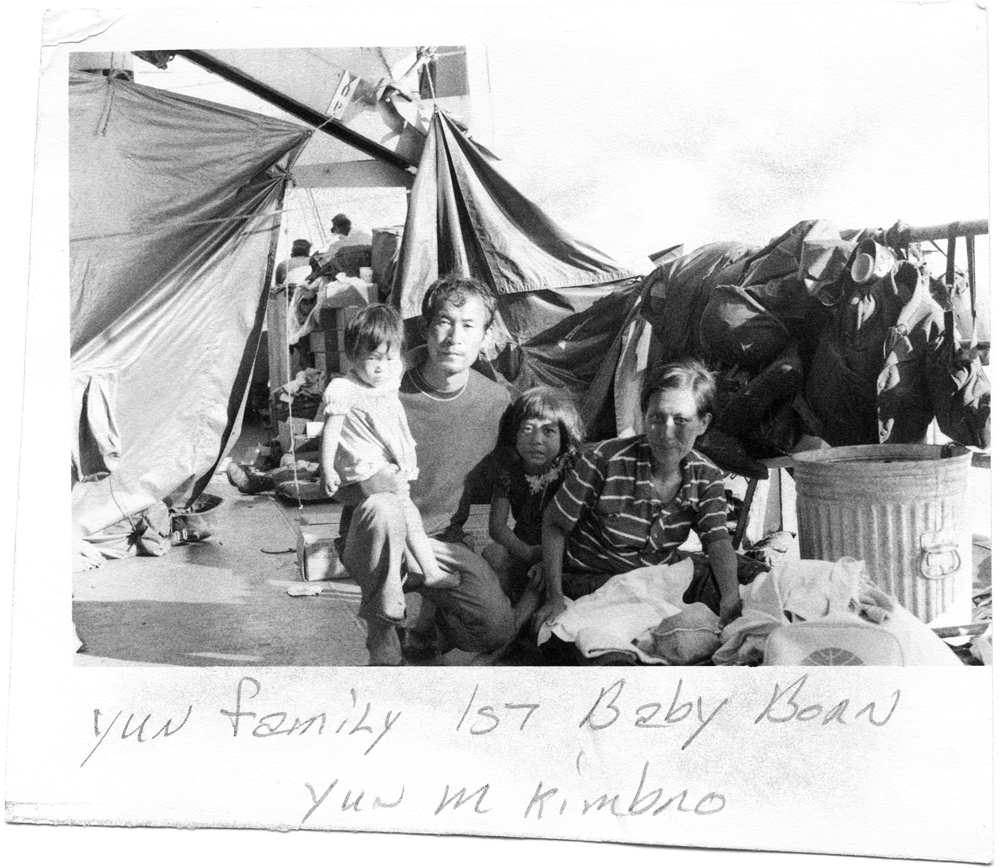
Yun M. Kimbro, named for the ship (the M. was for Marines) was the first of 5 babies born while the ship was en route to Guam.
Yun M. Kimbro and family.
…a sentry was confronted by a man and a very pregnant woman. She was in labor! Our corpsmen quickly moved her to our berthing area and prepared for the birth of the first of five babies. Only one of the corpsmen had ever attended a birth but never assisted, so their anxiety level went up. With the baby on the way, I and another Marine held up a piece of tarp to separate her, the husband and two other children from the crowd. Yun M. Kimbro came into the world and you would have thought that we Marines were all the father!
The softcover, 6” x 9” book is 214 pages, with a black & white interior and it includes photos from John’s personal collection as well as from military sources. Parents are cautioned- contains material that may be inappropriate for teens and younger.
The book is available for $16 from the Alleghany Historical Museum and Imaging Specialists, Inc., in Sparta, and online, at shop.starroute.net.
High resolution scans of a continuous tone print- or even better- a continuous tone negative are the best when making a reproduction.
In order to print photographs on an offset printing press, it is necessary to “screen” images or reduce them to evenly spaced rows of various sized dots. The resulting image is called a halftone.
In our business, we often have to copy halftone or screened images. We’ve been working on some new processes to remove halftone screens and patterns from those images. Sometimes, a printed photo is all we have- the original has been lost, destroyed or, for whatever reason, we just don’t have access to it.
Unfortunately, when we try to reproduce a halftoned image, the new image generated by a printer or a monitor usually shows an undesirable, Moiré pattern. The pattern comes from the array of dots or pixels in the reproduction fighting with the scanned dot pattern in the original image- whether it is depicted on a monitor or on a printed sheet.
For years, when we wanted to reproduce a screened image, we would simply set the camera a little out-of-focus, so the individual dots wouldn’t be a problem. And in the digital age, we would use a “Gaussian blur” to achieve the same result.
But, we always lost details. The halftone process lost details that were present in the original image, and then, blurring a halftone for reproduction would cause a loss of even more detail.
Now, however, we have some powerful, new tools to remove these regular, mechanical patterns from a printed photo. And we can hold onto more detail than we’ve ever been able to, before.
Here are some of our first test images looped with the initial results.
We’re proud to announce the second in a series of companion volumes to the, online, Ashe County Veterans History Project by the Ashe County Public Library.
In 2018, Imaging Specialists worked with the library to develop a printed companion to their Veterans History Project, an online archive of veterans with ties to Ashe County, NC. We designed the cover and pages using photos and text from their growing libguide database. This year’s cover design incorporates an image from a World War I era War Bonds poster painted by Howard Chandler Christy in 1917.
Minnie Lou Edwards Irwin- portrait by Thelma Davis in 1945.
We’ve been working on a new documentary for the Alleghany Historical – Genealogical Society, about Minnie Lou Edwards Irwin. The negative, above, was made by Thelma Davis, at her studio in Sparta, NC on October 26, 1945. It’s one of the first we have copied from her extensive collection, which she gave to the Historical Society a few years back. Imaging Specialists is honored to be involved with the television project to memorialize Mrs. Irwin and the project to archive the photography of her friend and colleague, Mrs. Davis.
We’ve modified our 4×5 Beseler enlarger and added a lighted vacuum copyboard made from a sliding “chase” from one of the Opti-Copy cameras we used for many years. This early design accommodated reflective (paper) and transmission (film) originals. Mrs. Irwin’s negative image on the camera’s screen.
This backlit, projection setup will allow us to copy a large number of negatives faster and more efficiently than we could with a scanner. The low resolution images will be ideal for internet access. In this way, the Historical Society (and anyone with an idea for an online archive) can share low res images quickly and easily. Anyone needing larger files can order high resolution scans or prints to be made and proceeds from those sales can help pay for the access site and storage of the data.